Push-to-Start Key Fob Dead? What Branson Drivers Need to Know
You walk up to your car, press the brake, hit the start button — and nothing happens. For Branson drivers who rely on push-to-start systems to get to work along Highway 76, shuttle guests around Table Rock Lake, or head out for a day on the strip, a dead key fob can bring the whole day to a halt. The good news is that a non-responsive fob rarely means your car is actually broken — it usually points to one of a handful of common, fixable problems. This guide walks through why push-to-start fobs fail, what you can try before calling for help, and when it’s time to bring in a professional.
How Push-to-Start Systems Actually Work 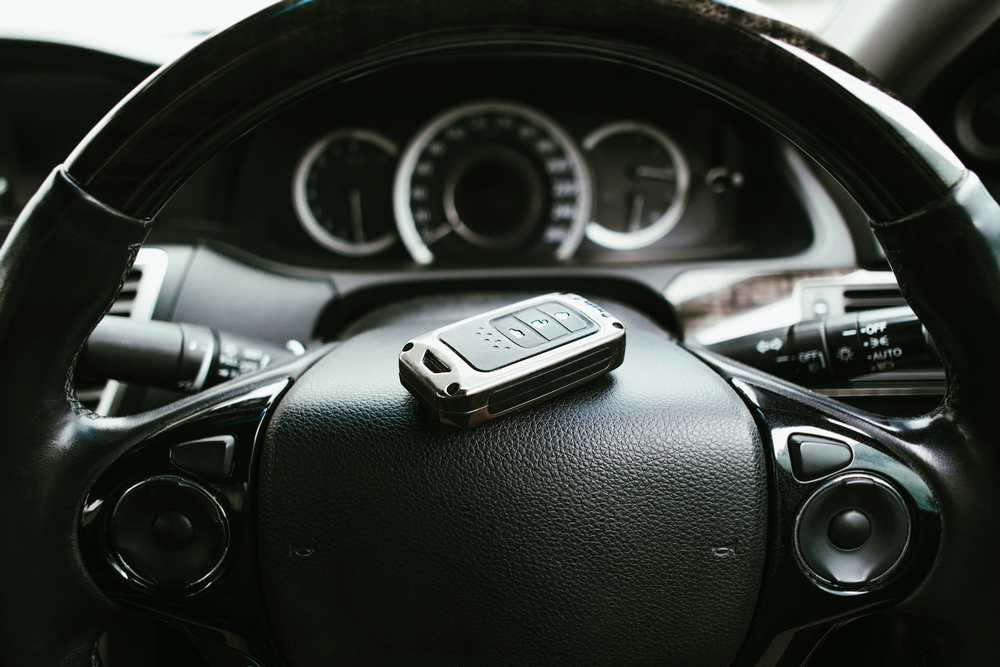
Push-to-start vehicles don’t use a traditional metal key to turn the ignition. Instead, the fob contains a small battery-powered transponder chip that communicates with a receiver inside the car using low-frequency radio signals. When you’re within a few feet of the vehicle, the car detects the fob and activates the proximity system, allowing the start button to send power to the engine. Because this entire process depends on a working battery and clean signal exchange, push-to-start systems are more sensitive to certain failures than older key-and-ignition setups — which is exactly why fobs seem to “die” more noticeably than old-fashioned keys ever did.
The Most Common Reasons a Fob Stops Working
Most dead-fob situations in Branson trace back to one of these issues:
-
Drained fob battery — the coin-cell battery inside the fob has worn out, usually after one to three years of regular use
-
Weak vehicle battery — a low car battery can prevent the receiver from picking up the fob’s signal, even if the fob itself is fine
-
Signal interference — phones, other fobs, or electronic devices stacked near your keys can scramble the connection
-
Water or heat damage — Missouri summers and sudden storms near the lake can affect the fob’s internal electronics
-
Programming or sync errors — a fob that’s been dropped, opened, or exposed to a software update can lose its pairing with the car
-
Physical damage — cracked casings or corroded battery contacts stop the circuit from completing
Quick Fixes to Try Before You Panic
Before assuming the worst, there are a few things worth trying on your own, especially if you’re parked somewhere inconvenient like a Branson Landing garage or a resort lot off Highway 65.
Replace the Fob Battery
Most push-to-start fobs use a CR2032 or CR2025 coin battery, available at most Branson pharmacies and hardware stores. Popping the fob open (usually via a small release tab or screw) and swapping the battery resolves a surprising number of “dead fob” complaints in minutes.
Try the Backup Start Method
Nearly every push-to-start vehicle has a manual backup for a dead fob battery. This typically involves holding the fob directly against the start button or a designated spot near the steering column (check your owner’s manual for the exact location). This bypasses the wireless signal entirely and uses a physical antenna coil built into the ignition.
Check Your Car’s Battery, Not Just the Fob’s
If the fob works fine on other doors or shows life when you press buttons, but the car still won’t start, the vehicle’s 12-volt battery may be the real culprit. A jump start can rule this out quickly.
Move Away From Interference
Remove other fobs, phones, or metal objects from your pocket or key ring and try again closer to the vehicle. Sometimes signal crowding is the only issue.
When the Problem Is Bigger Than a Battery
If you’ve swapped the battery, tried the backup method, and confirmed the car battery is healthy. However, the fob still won’t communicate with the vehicle, you’re likely dealing with a programming issue, a failing receiver module, or physical damage to the transponder chip. These situations usually require diagnostic tools and programming equipment that go beyond a DIY fix — attempting to force a reprogram without the right equipment can sometimes make the fob unrecognized by the car entirely, which turns a simple fix into an expensive one.
What Losing a Fob Entirely Means for Branson Drivers
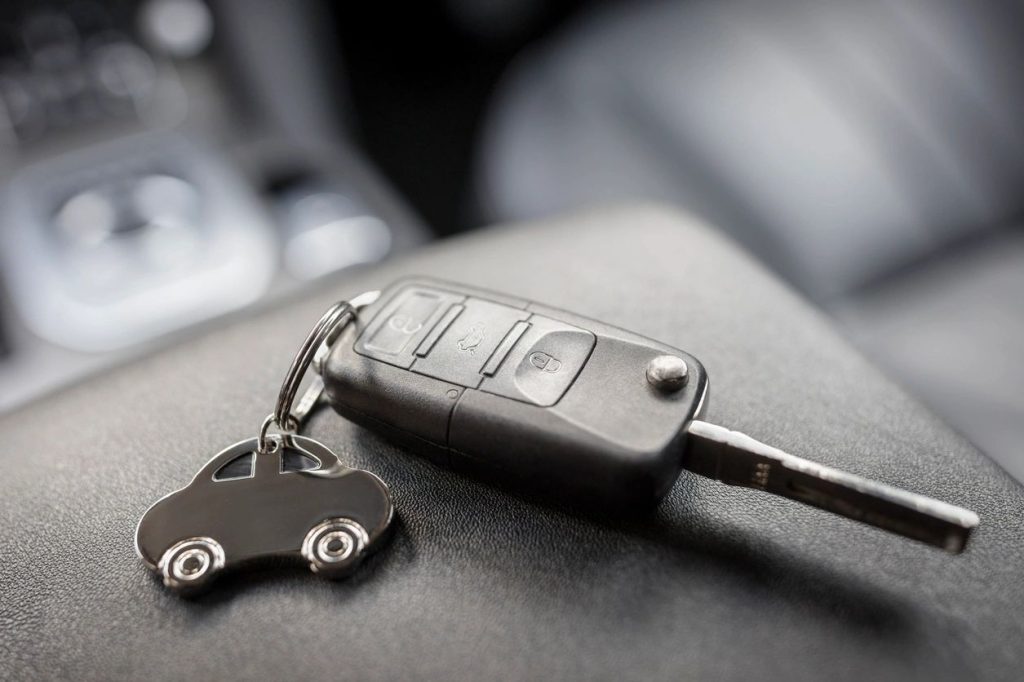
A dead fob is frustrating, but a lost one raises a bigger concern: security. Push-to-start fobs are tied directly to your vehicle’s immobilizer system, so a lost or stolen fob means someone could potentially access and start your car if it isn’t deactivated. If your fob is missing rather than simply malfunctioning, it’s worth having all fobs for that vehicle reprogrammed so the lost one no longer works — not just ordering a replacement.
Why Dealerships Aren’t Always the Fastest Option
Many Branson drivers assume the dealership is the only place equipped to reprogram a push-to-start fob. In reality, dealership service departments often require an appointment days out, and diagnosing a fob issue can mean losing your vehicle for a full day. A mobile automotive locksmith carries the same programming equipment used by dealerships but comes directly to you — whether that’s a driveway in Branson West, a parking lot near Silver Dollar City, or a roadside pull-off — and can usually cut, program, and test a new fob in under an hour.
Preventing Future Fob Failures
A few habits can extend the life of your push-to-start fob and reduce the chances of getting stranded:
-
Replace the fob battery proactively every 1–2 years rather than waiting for a failure
-
Keep a spare fob programmed to your vehicle stored somewhere safe
-
Avoid leaving fobs in direct sunlight on a dashboard, especially during Missouri summers
-
Keep fobs away from moisture, including pool bags and boat gear common around Table Rock Lake
-
Have your vehicle’s battery tested annually, since a weak car battery is often mistaken for a fob problem
If your daily routine involves multiple vehicles or drivers, our guide on replacing a lost car key covers how spare key planning can prevent this kind of disruption altogether.
Get Back on the Road Today
A dead push-to-start fob doesn’t have to derail your day. 417 Car Keys sends mobile locksmiths equipped with dealer-level programming tools directly to drivers throughout Branson and the surrounding 417 area, so you can get a new fob cut, programmed, and tested without a tow truck or a dealership wait list. If your fob is unresponsive, lost, or acting unpredictably, contact 417 Car Keys for fast, on-site help — most jobs are wrapped up in under an hour, right where you’re parked.
Click Here to Learn More About Our Push to Start Car Key Replacement